

Introduction
Accounting Concepts and Accounting Conventions form the foundation of accurate financial reporting. They ensure that all financial statements are prepared in a uniform, comparable, and reliable manner.
- Accounting Concepts are the basic assumptions and principles that guide how transactions should be recorded.
- Accounting Conventions are the guidelines or practices that accountants follow to ensure consistency and fairness in reporting.
Together, they bring clarity, transparency, and accuracy to financial statements.

A) Accounting Concepts
Accounting Concepts are fundamental rules and assumptions that form the basis of preparing financial statements. They ensure that financial information is recorded in a systematic and logical manner.
1. Entity Concept
This concept states that the business and the owner are treated as two separate independent entities. The business has its own accounts, separate from the personal accounts of the owner.
Example:
If the owner brings ₹50,000 into the business:
Cash A/C ……………. Dr 50,000
To Capital A/C ……………. 50,000
This shows it is the business receiving money from the owner, not a personal transaction.
2. Money Measurement Concept
Only those transactions which can be measured in money are recorded in the books of accounts. Qualitative factors cannot be recorded.
Example:
- Employee loyalty → Not recorded
- A machine purchased for ₹2,00,000 → Recorded
3. Periodicity Concept
The life of a business is divided into specific time periods (such as monthly, quarterly, or yearly) to prepare financial statements.
Example:
A company prepares its financial statements from 1 April to 31 March every year to measure performance for that period.
4. Accrual Concept
Revenue and expenses are recorded when they are earned or incurred, not when cash is received or paid.
Example:
You provide services worth ₹15,000 in March but receive cash in April. Revenue will be recorded in March, because that’s when it was earned.
5. Matching Concept
Expenses should be matched with the revenue of the same accounting period to calculate correct profit.
Example:
A machine costing ₹1,00,000 is used for 10 years. Depreciation of ₹10,000 per year is matched with the revenue earned each year.
6. Cost Concept
Assets are recorded at their purchase cost, and this cost is the basis for all future accounting (except when revaluation is required by law).
Example:
Land purchased for ₹5,00,000 is recorded at ₹5,00,000 even if its market value increases to ₹8,00,000.
7. Realisation Concept
Revenue is recognized when the risk and ownership of goods are transferred to the customer, not when cash is received.
Example:
Goods worth ₹25,000 sold on credit today must be recorded as sales today, not when the customer pays later.
8. Dual Aspect Concept
Every transaction has two aspects: one debit and one credit. This forms the foundation of double-entry accounting.
Example:
If the business buys furniture worth ₹5,000 for cash:
Furniture A/C ………. Dr 5,000
To Cash A/C ……………. 5,000
One account increases, and another decreases.
B) Accounting Conventions
Accounting Conventions are customs or guidelines that have become accepted over time to bring consistency and comparability to accounting practices.
1. Conservatism Convention
While preparing financial statements, anticipated losses are recorded, but anticipated profits are not.
Example:
If it is estimated that ₹3,000 from debtors may not be recovered:
Bad Debts Expense A/C …….. Dr 3,000
To Provision for Bad Debts A/C …….. 3,000
2. Consistency Convention
The same accounting methods and procedures must be used from one period to the next to enable comparison.
Example:
If depreciation is calculated using SLM this year, the same method must be used next year unless a valid reason is disclosed for changing it.
3. Materiality Convention
Only those items that are significant enough to influence the decisions of users should be recorded or disclosed.
Example:
A stapler costing ₹100 is recorded as an expense, not an asset, because the amount is too small to affect financial statements.
4. Disclosure Convention
The Disclosure Convention states that all material and relevant information must be fully disclosed in the financial statements or in the notes to accounts so that users can make informed decisions.
It ensures transparency, clarity, and fair presentation of financial statements.
Example:
A company is facing a court case that may result in a loss of ₹10,00,000. Even though the loss has not happened yet, it must be disclosed in the Notes to Accounts as a Contingent Liability.
Summary
Accounting Concepts and Conventions form the backbone of reliable financial reporting by providing structure, clarity, and uniformity. While concepts define the core principles for recording transactions, conventions ensure consistency and fairness in practice. Together, they enhance the accuracy, transparency, and comparability of financial statements. Mastering these fundamentals is key to maintaining trustworthy and compliant financial records.
Connect with Us
To ensure your business follows the right practices, connect with us for professional Accounting, Bookkeeping, Virtual CFO Services, Cash Flow Management, and Payroll Outsourcing.
Balance Sheet Statement
What is a Balance Sheet? A Balance Sheet, also known as a statement of financial position, is a financialreport that…
Profit & Loss (P&L) Statement
A Profit & Loss (P&L) Statement, also known as an income statement, is a financial report that summarizes a company’s revenues,…

Accounting Conventions and Concepts
Introduction A) Accounting Concepts 1. Entity Concept 2. Money Measurement Concept 3. Periodicity Concept 4. Accrual Concept 5. Matching Concept…
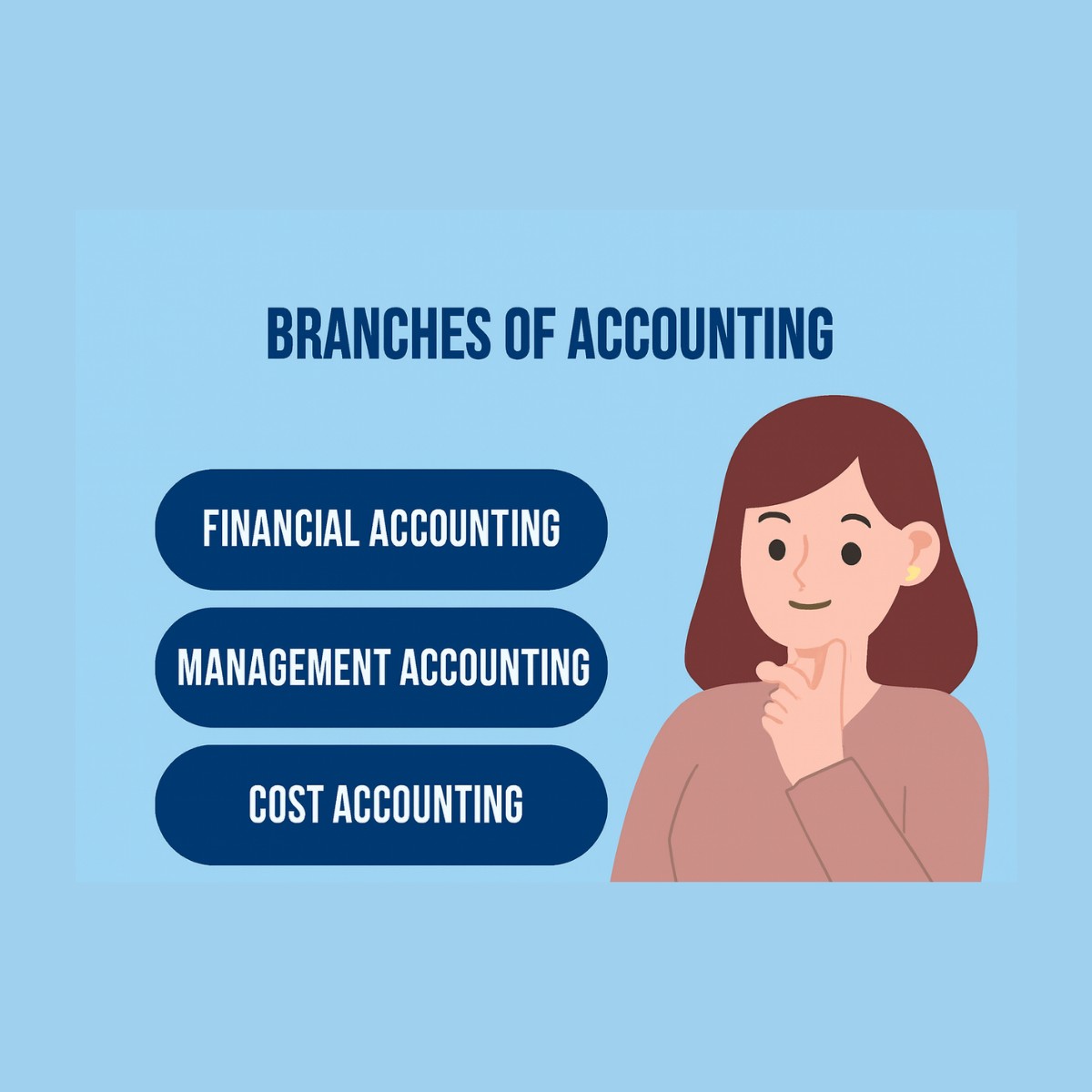
Branches of Accounting
Branches of Accounting Introduction Meaning of Accounting Branch Different Branches of Accounting » Financial Accounting » Managerial (Management) Accounting »…

Accrual vs. Cash Basis Accounting
Why Your Business Growth Depends on the Right Choice When it comes to managing business finances, one of the earliest…
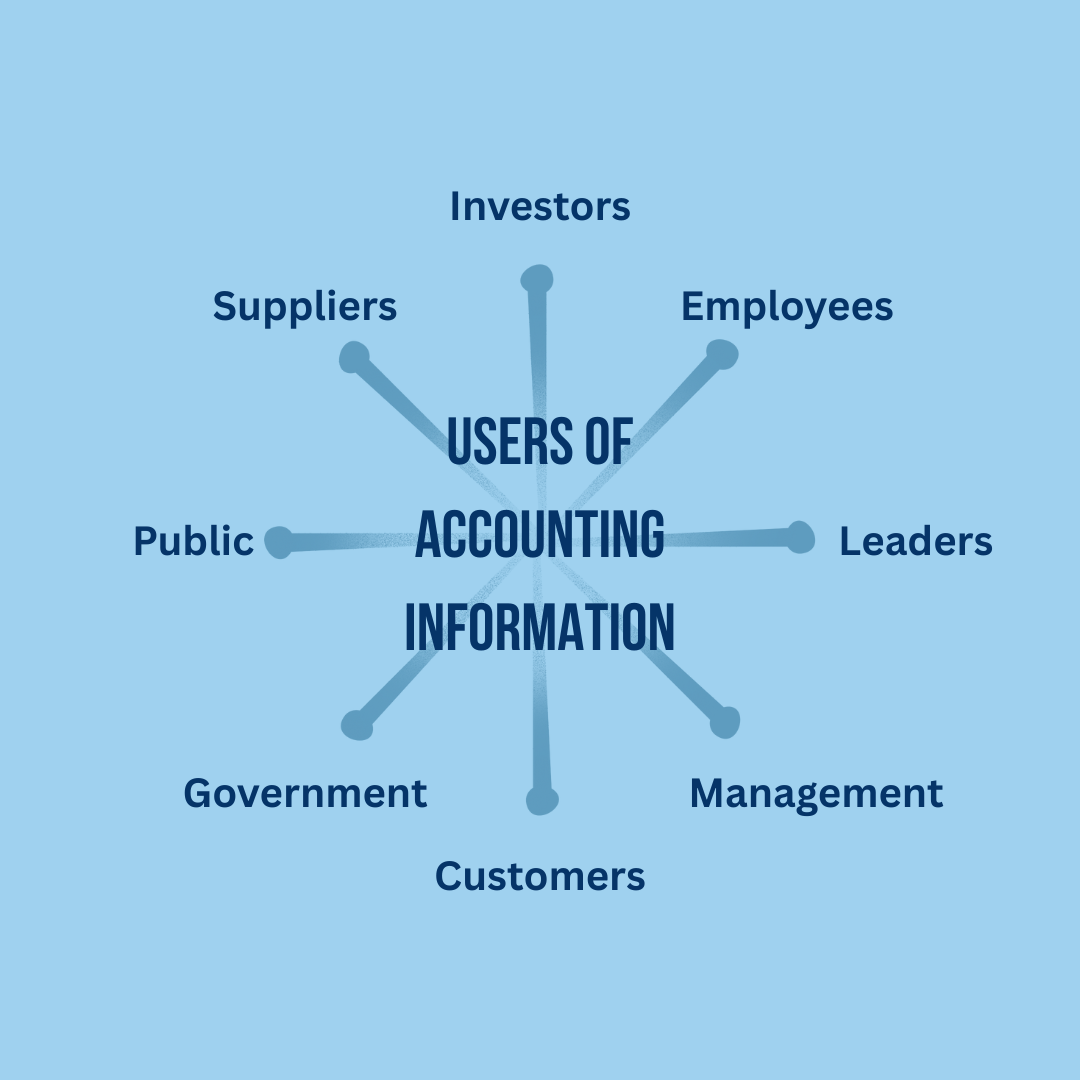
Users of Accounting Information
Accounting information is the backbone of every business decision. It provides valuable insights into a company’s financial performance, helping various stakeholders…
Difference between Bookkeeping and Accounting
In the world of finance and business, the terms bookkeeping and accounting are often mentioned together, but they are not the same. Both play…
Types of Accounts and Golden Rules of Accounting
Accounting is often referred to as the language of business, as it systematically records and communicates financial information. At the heart…

Why SMEs Are Turning to Outsourced CFO Services
In today’s fast-paced and unpredictable business environment, small and medium-sized enterprises (SMEs) are under increasing pressure to manage growth, cash…
Why Budgeting Is Essential?
In business, what gets measured gets managed, and budgeting is one of the most powerful tools you have to measure and…
We already have an accountant… why would we outsource?
I hear this from almost every founder we speak with.And it’s a completely valid question. An internal accountant is crucial…
Top 10 Key Advantages of Doing Daily Bookkeeping
In today’s fast-paced business world, financial clarity isn’t optional; it’s essential. Yet, many businesses underestimate the long-term impact of maintaining their books…
Why Outsource Your Accounting & Financial Services?
In today’s fast-paced business environment, companies are constantly seeking ways to increase efficiency, reduce costs, and focus on their core…

The 5 Most Common Financial Mistakes SME Owners Make and How to Avoid Them
Running a small or medium-sized business is no easy task. Between managing operations, serving clients, and leading teams, financial oversight…
How to Manage Accounts Payable Effectively
Accounts Payable (AP) might not grab headlines, but how you manage it can make or break your business cash flow.Poor…
Work Hard? Nah. Work Smart with QuickBooks Online.
Running a small business is no small task. Between managing operations, serving customers, and planning for growth, accounting often gets pushed…

Outsource Your Receivables
Ensure Smooth Payments, Reduce Defaults. Cash flow is the lifeblood of any business, and your receivables process is its heartbeat.…
Master Your Money: Proven Strategies to Control and Manage Business Expenses
Your business isn’t defined by what you earn, but by what you keep.And if you want lasting profitability, there’s one…
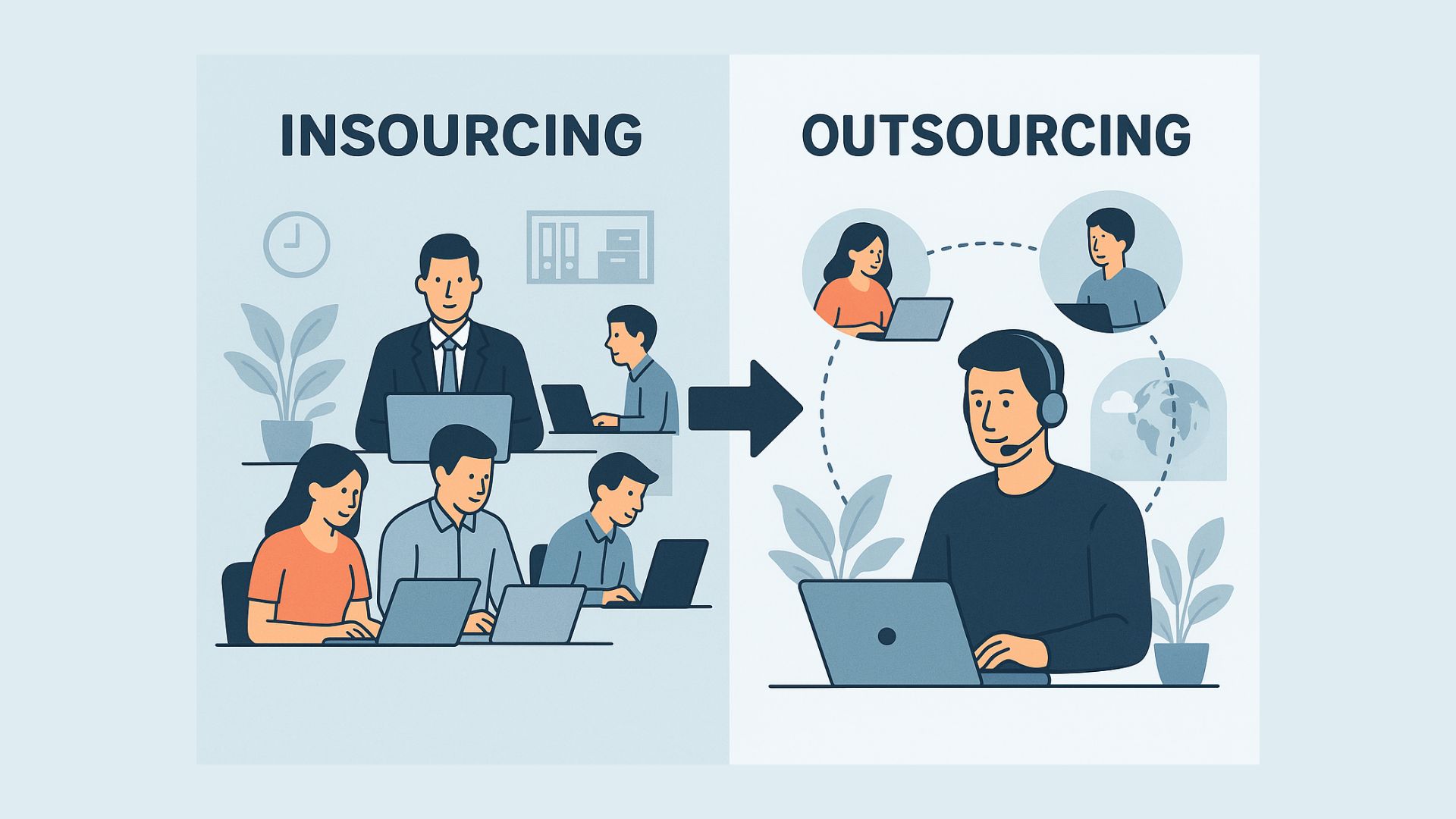
What Really Changes When You Outsource Your Accounting
Every business reaches a point where internal accounting processes slow down decision-making, drain valuable resources, and limit strategic focus.And then,…

Why Smart Businesses Outsource Bookkeeping to India?
Breaking Borders, Building Efficiency: Why Smart Businesses Outsource Bookkeeping to India In today’s global economy, success belongs to those who think…

Why Your Business Needs CFO Services Today
In the dynamic world of business, financial expertise can be the difference between success and stagnation. CFO services offer a…
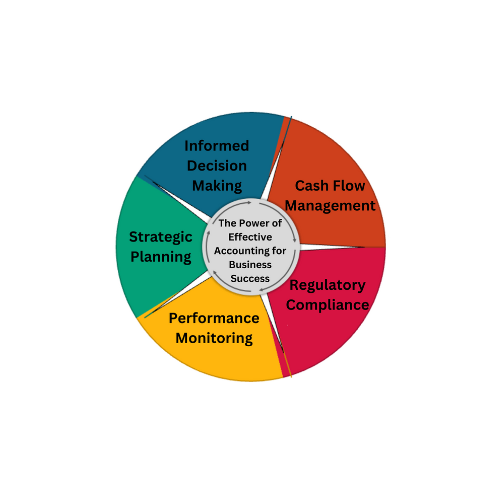
The Power of Effective Accounting for Business Success
In the fast-paced world of business, effective accounting is not just a necessity; it’s a game-changer. Accurate and strategic accounting…

How to Export Lists From QuickBooks Online
In this tutorial, you’ll learn how to export lists from QuickBooks Online. Quick Instructions: Export Customer, Employee & Vendor lists:…

3 Strategies to Boost EBITDA and Drive Value Creation
Private equity (PE) fund sponsors often expect CFOs to play a pivotal role in enhancing EBITDA (earnings before interest, taxes,…

Title: Navigating 2024: A CFO Action Plan for Success
As we step into 2024, CFOs find themselves at the forefront of steering their companies through a landscape marked by…