

What is a Balance Sheet?
A Balance Sheet, also known as a statement of financial position, is a financial
report that provides a snapshot of a company’s financial health at a specific
point in time.
It outlines what a business owns (assets), what it owes (liabilities), and the
owners’ stake (equity). Understanding this document is essential for evaluating
financial stability.
The Fundamental Accounting Equation
Assets (Resources owned by the business) = Liabilities (Obligations or debts owed to others) + Equity (The owners’ residual interest)
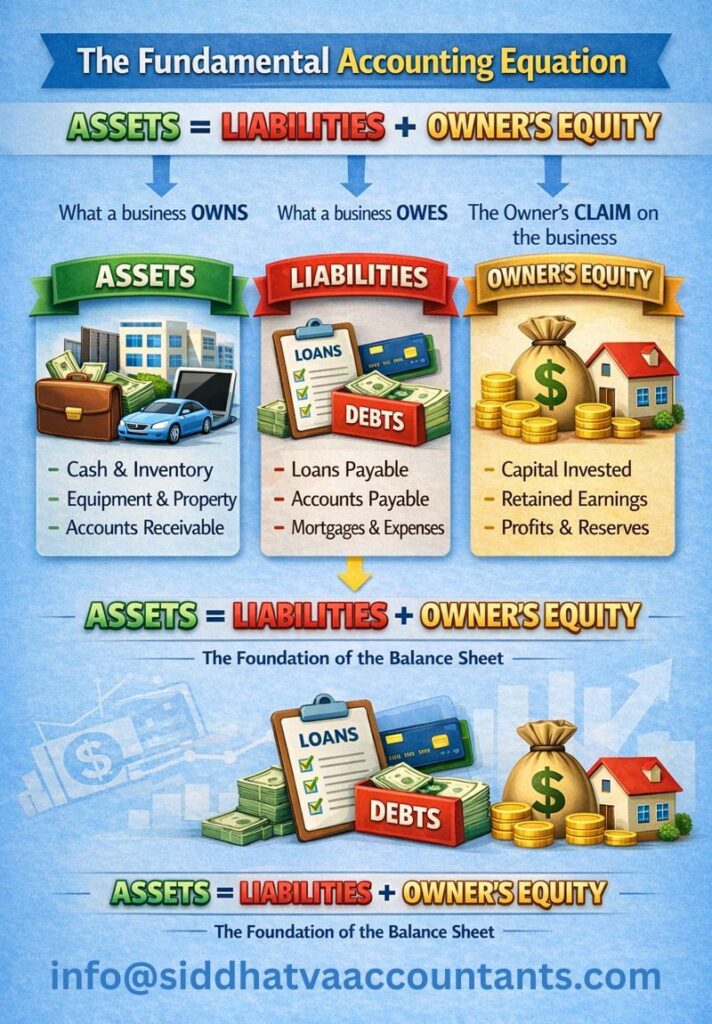
Balance sheets are typically prepared at the end of a reporting period, such as a month, quarter, or year.
Assets: What Your Business Owns
Current Assets
Expected to be converted to cash or used within one year
- Cash and cash equivalents
- Accounts receivable
- Inventory
Non-Current Assets
Long-term investments or assets used over multiple years
- Property, plant, and equipment (PPE)
- Intangible assets (patents, trademarks)
Liabilities: What Your Business Owes
Current Liabilities
Due within one year
- Accounts payable
- Short-term loans
- Accrued expenses
Non-Current Liabilities
Due after one year
- Long-term loans
- Bonds payable
- Deferred tax liabilities
Equity: The Owners’ Stake
Common Stock
Value of shares issued to shareholders.
Retained Earnings
Accumulated profits reinvested in the business.
Additional Paid-In Capital
Funds raised from issuing shares above par value.
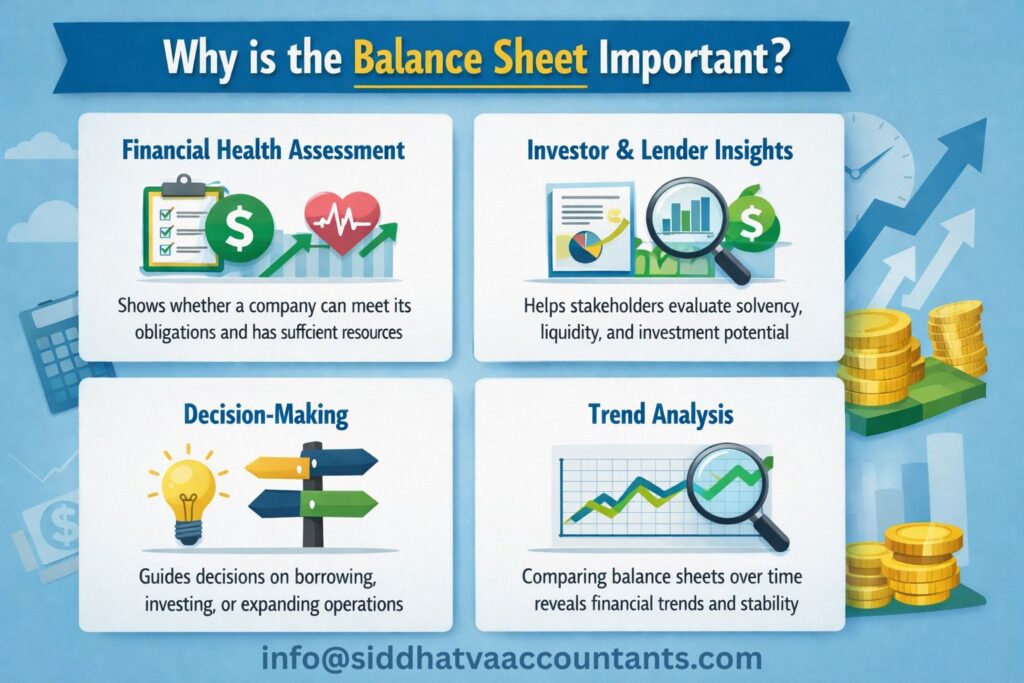
Why is the Balance Sheet Important?
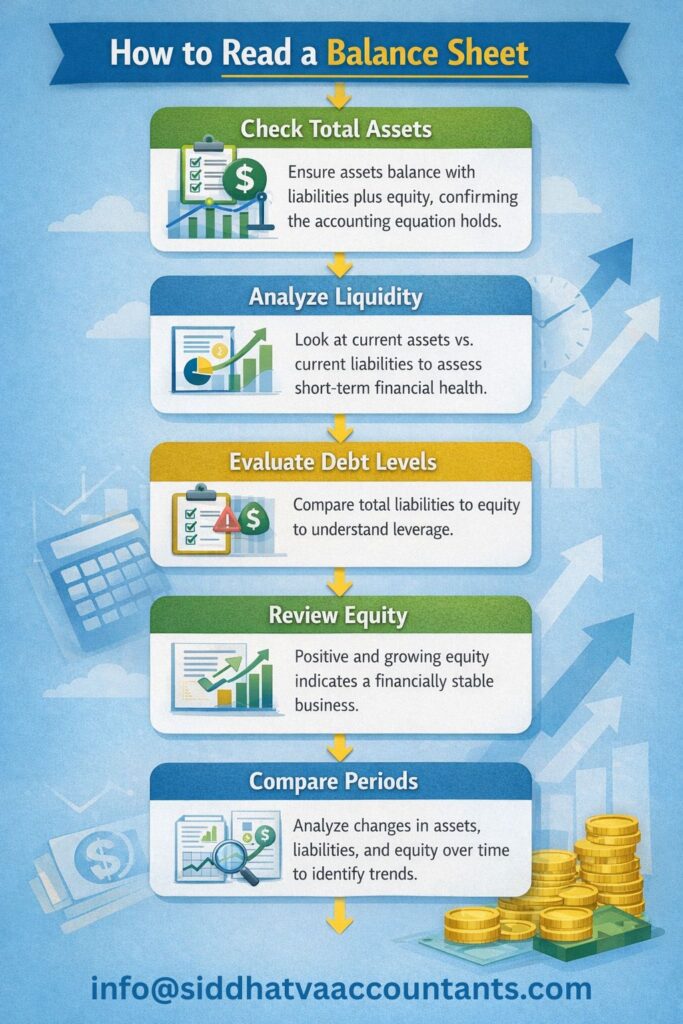
How to Read a Balance Sheet
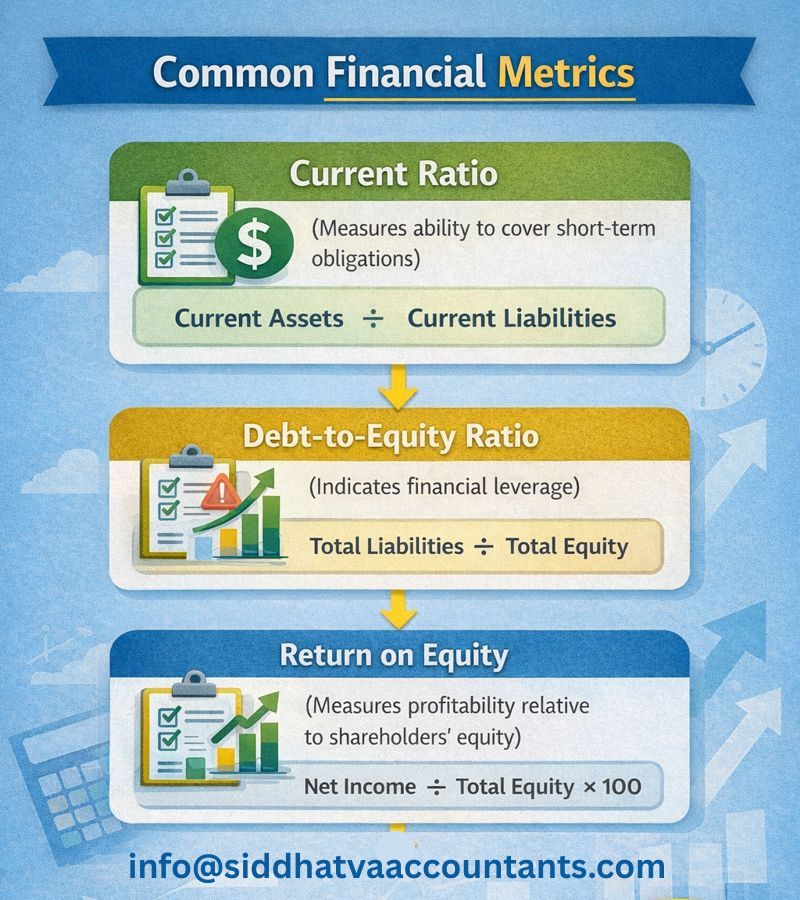
Common Financial Metrics
Working Capital: Fueling Operations
Working capital represents the liquidity available to a business for its daily operations. It’s the difference between a company’s current assets and current liabilities, indicating its short-term financial health and operational efficiency.

A positive working capital indicates a business has enough short-term assets to cover its short-term liabilities, suggesting good financial health. Conversely, negative working capital can signal potential liquidity challenges.
Operational Efficiency
Ensures smooth daily operations by covering immediate expenses like payroll and inventory.
Strategic Growth
Provides funds for expansion, new projects, and seizing market opportunities without external financing.
Financial Resilience
Acts as a buffer against unexpected downturns or seasonal fluctuations, maintaining stability.
Tips for Effective Balance Sheet Use
Regular Reviews
Update and analyze balance sheets periodically to monitor financial health
Compare with Industry Standards
Benchmark ratios like debt-to-equity against competitors
Combine with Other Statements
Use alongside the P&L statement and cash flow statement for a complete financial picture
Leverage Software
Tools like QuickBooks, Xero, or Excel can simplify balance sheet creation and analysis
The balance sheet is a vital tool for understanding your company’s financial position and making informed business decisions.
Balance Sheet Statement
What is a Balance Sheet? A Balance Sheet, also known as a statement of financial position, is a financialreport that…
Profit & Loss (P&L) Statement
A Profit & Loss (P&L) Statement, also known as an income statement, is a financial report that summarizes a company’s revenues,…

Accounting Conventions and Concepts
Introduction A) Accounting Concepts 1. Entity Concept 2. Money Measurement Concept 3. Periodicity Concept 4. Accrual Concept 5. Matching Concept…
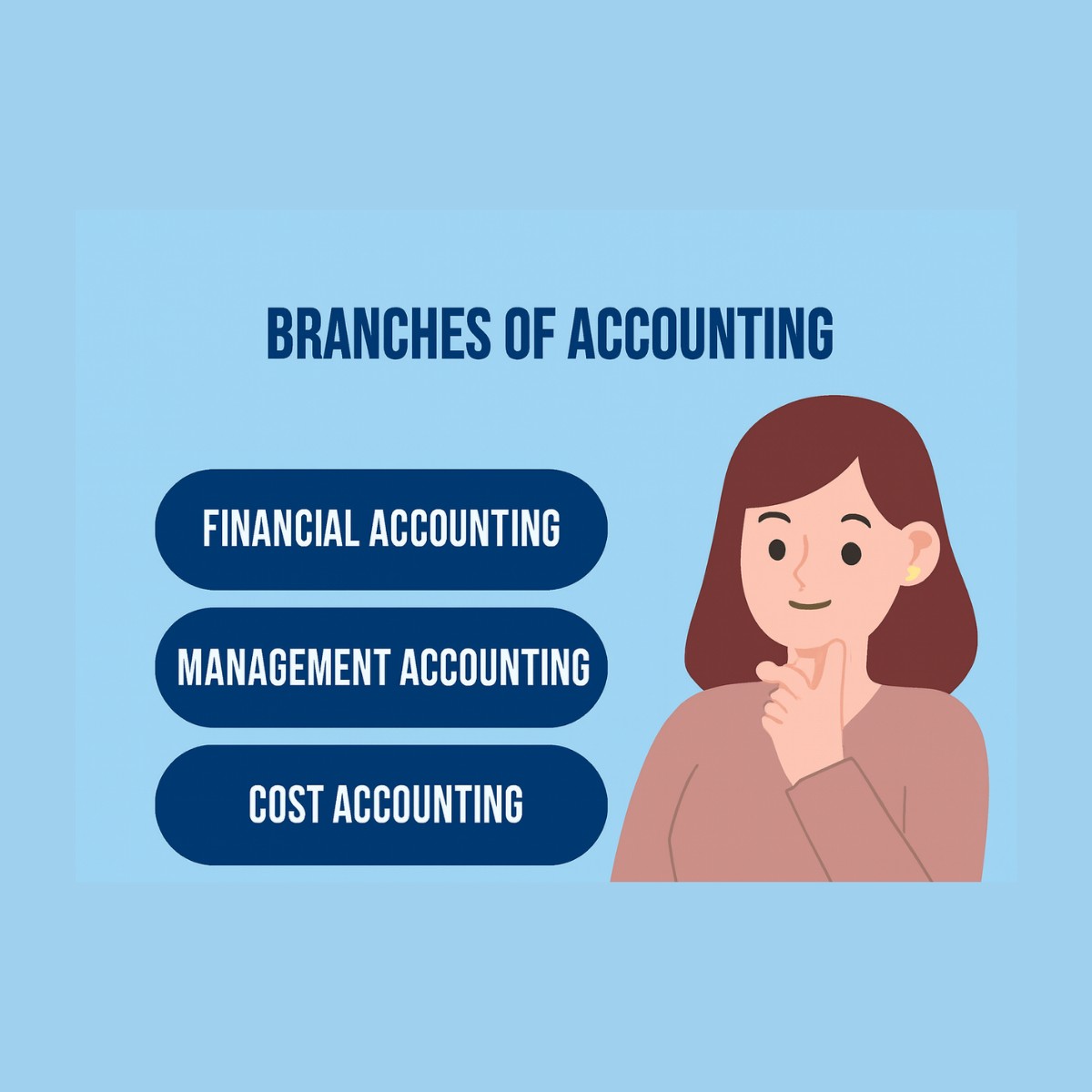
Branches of Accounting
Branches of Accounting Introduction Meaning of Accounting Branch Different Branches of Accounting » Financial Accounting » Managerial (Management) Accounting »…

Accrual vs. Cash Basis Accounting
Why Your Business Growth Depends on the Right Choice When it comes to managing business finances, one of the earliest…
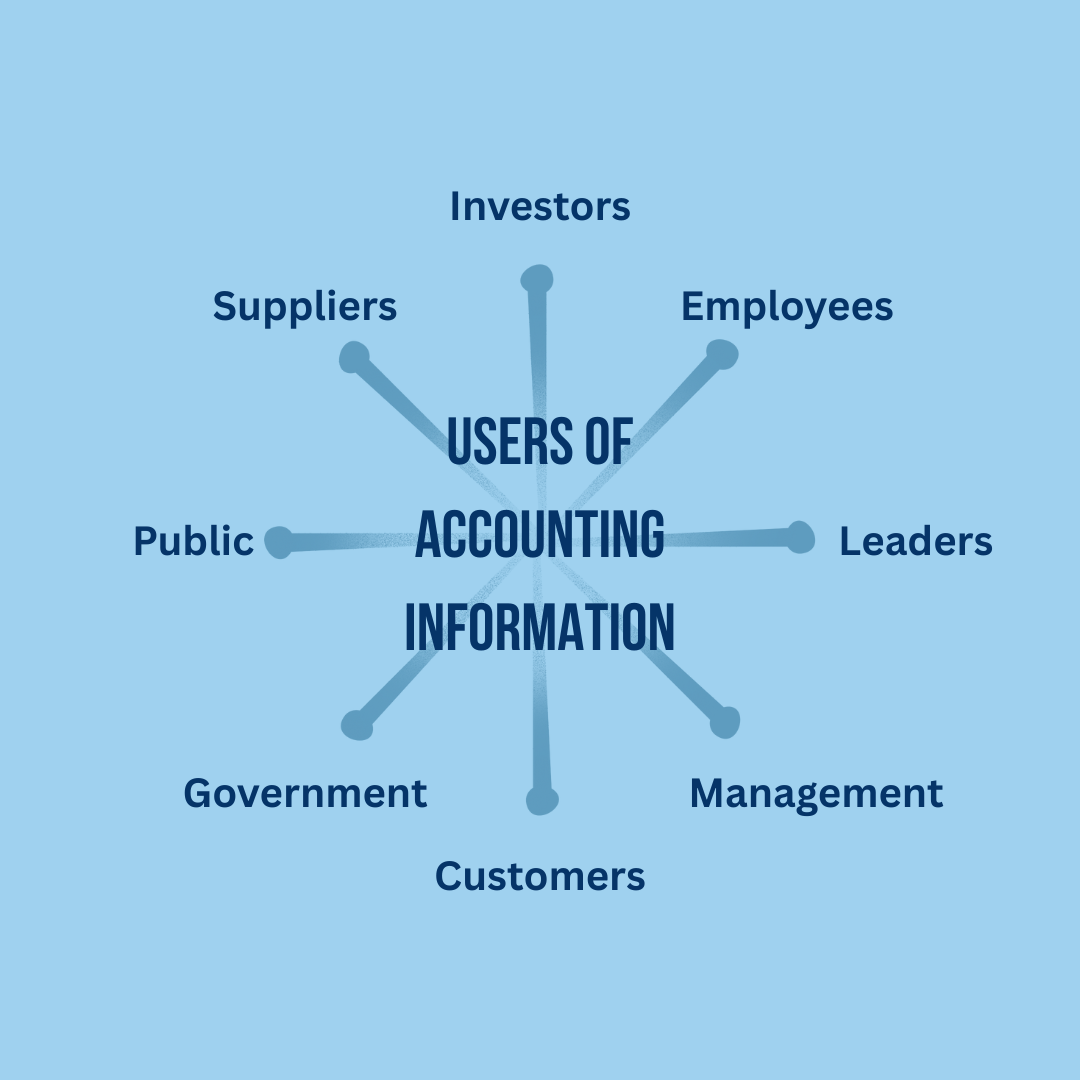
Users of Accounting Information
Accounting information is the backbone of every business decision. It provides valuable insights into a company’s financial performance, helping various stakeholders…
Difference between Bookkeeping and Accounting
In the world of finance and business, the terms bookkeeping and accounting are often mentioned together, but they are not the same. Both play…
Types of Accounts and Golden Rules of Accounting
Accounting is often referred to as the language of business, as it systematically records and communicates financial information. At the heart…
Why SMEs Are Turning to Outsourced CFO Services
In today’s fast-paced and unpredictable business environment, small and medium-sized enterprises (SMEs) are under increasing pressure to manage growth, cash…
Why Budgeting Is Essential?
In business, what gets measured gets managed, and budgeting is one of the most powerful tools you have to measure and…
We already have an accountant… why would we outsource?
I hear this from almost every founder we speak with.And it’s a completely valid question. An internal accountant is crucial…
Top 10 Key Advantages of Doing Daily Bookkeeping
In today’s fast-paced business world, financial clarity isn’t optional; it’s essential. Yet, many businesses underestimate the long-term impact of maintaining their books…
Why Outsource Your Accounting & Financial Services?
In today’s fast-paced business environment, companies are constantly seeking ways to increase efficiency, reduce costs, and focus on their core…

The 5 Most Common Financial Mistakes SME Owners Make and How to Avoid Them
Running a small or medium-sized business is no easy task. Between managing operations, serving clients, and leading teams, financial oversight…
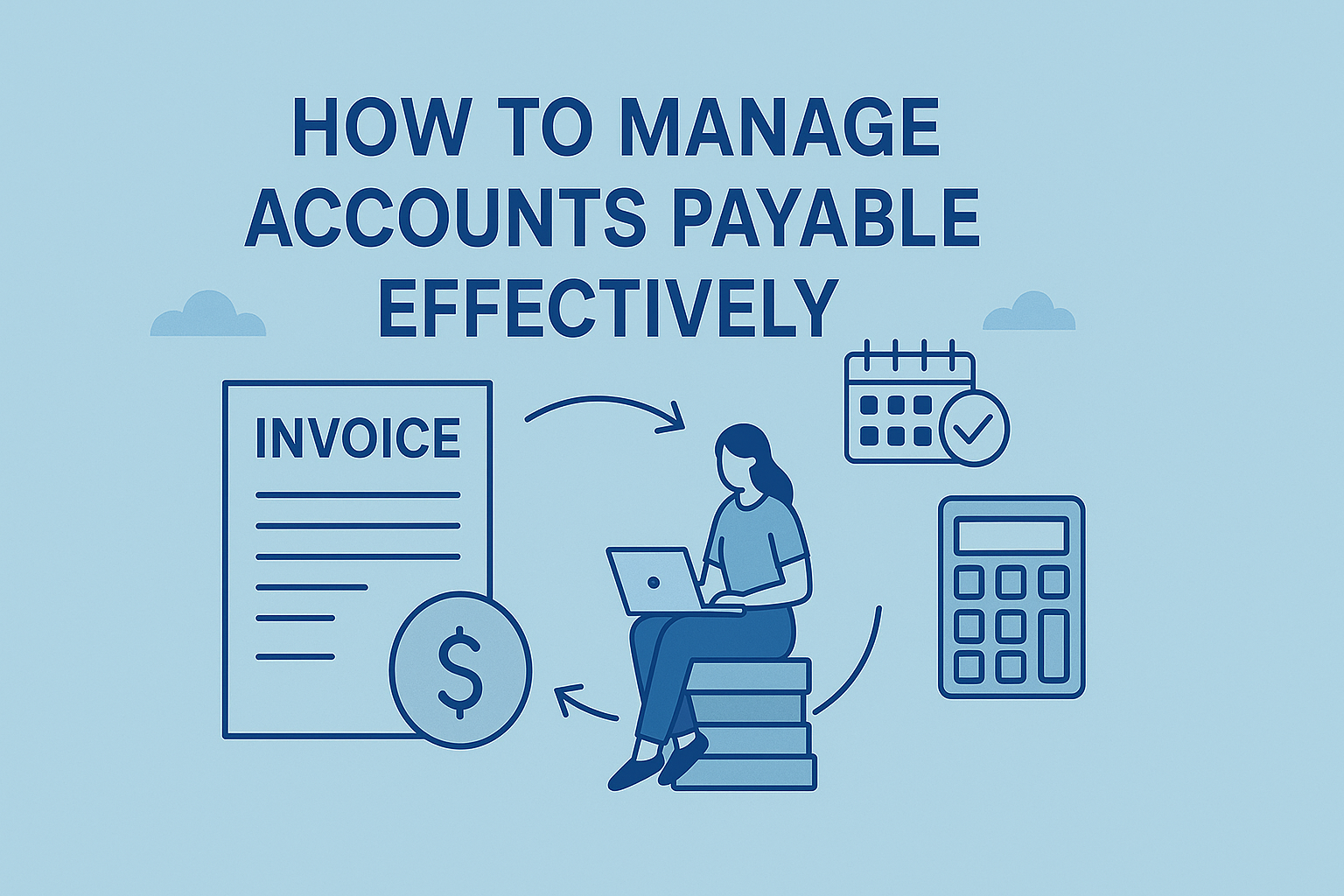
How to Manage Accounts Payable Effectively
Accounts Payable (AP) might not grab headlines, but how you manage it can make or break your business cash flow.Poor…
Work Hard? Nah. Work Smart with QuickBooks Online.
Running a small business is no small task. Between managing operations, serving customers, and planning for growth, accounting often gets pushed…
Outsource Your Receivables
Ensure Smooth Payments, Reduce Defaults. Cash flow is the lifeblood of any business, and your receivables process is its heartbeat.…
Master Your Money: Proven Strategies to Control and Manage Business Expenses
Your business isn’t defined by what you earn, but by what you keep.And if you want lasting profitability, there’s one…
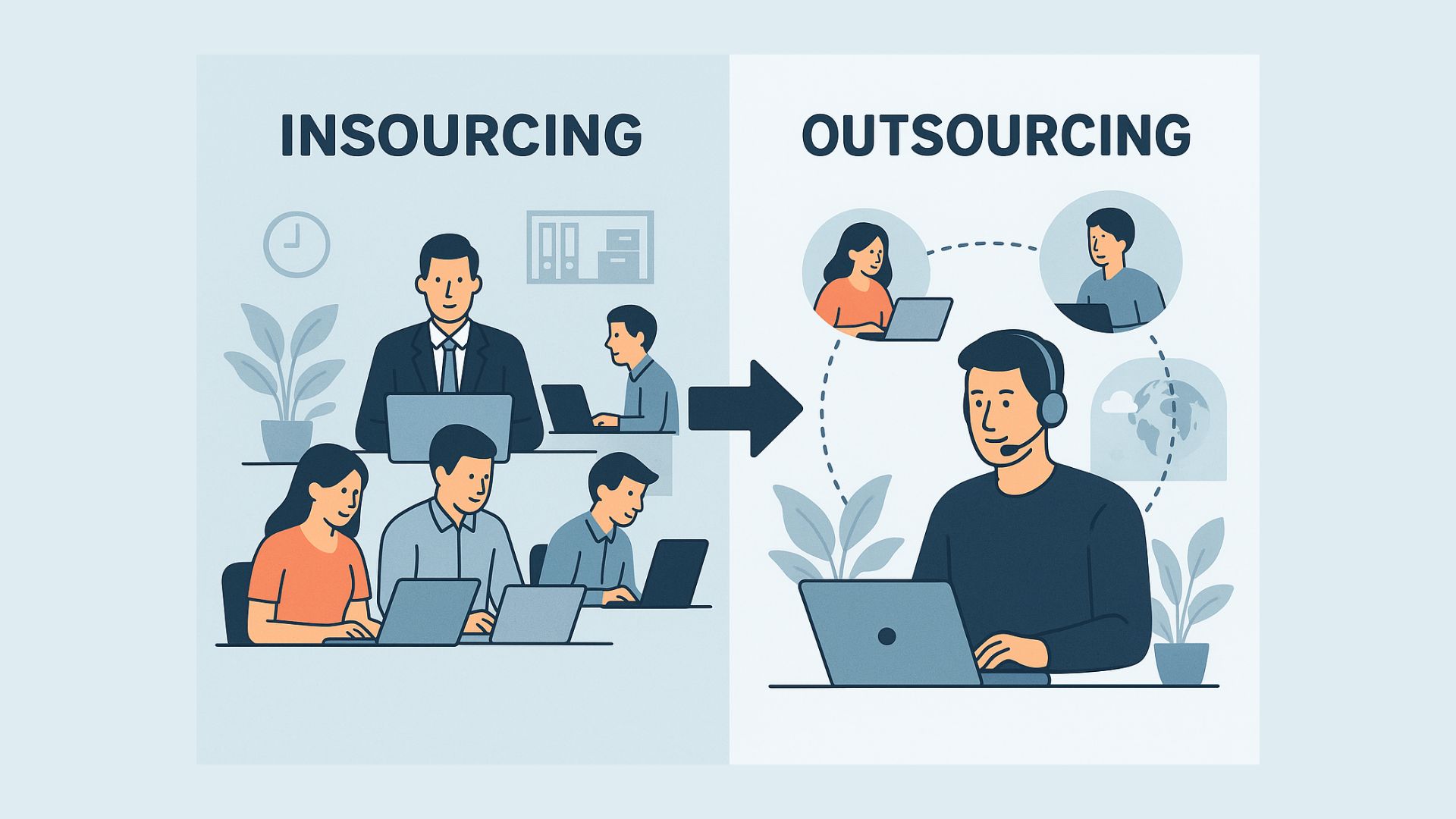
What Really Changes When You Outsource Your Accounting
Every business reaches a point where internal accounting processes slow down decision-making, drain valuable resources, and limit strategic focus.And then,…
Why Smart Businesses Outsource Bookkeeping to India?
Breaking Borders, Building Efficiency: Why Smart Businesses Outsource Bookkeeping to India In today’s global economy, success belongs to those who think…