

In the realm of financial reporting, where complexity often intertwines with critical business intelligence, the challenge lies not just in accuracy but in cost-effectiveness. Successful companies, however, have discovered the art of making this intricate process both seamless and economical. Let’s explore key strategies derived from cross-industry data that can help your organization achieve significant savings and enhance the efficiency of financial reporting.
Understanding the Cost Landscape
Financial reporting costs encompass the preparation of balance sheets, income statements, cash flow statements, and statements of shareholders’ equity. The total cost includes outsourced, overhead, personnel, and system costs. Benchmarking against peers based on the measure per $1,000 of revenue reveals a stark difference in performance.
Top performers spend a mere $0.19 or less per $1,000 of revenue, while organizations at the median spend $0.40, and bottom performers shell out a dollar or more. This significant gap presents an opportunity for organizations to realize substantial savings, with potential implications of up to $600,000 for a $1 billion annual revenue organization.
Optimizing Financial Reporting Costs
- Reduce Manual Steps: Labor constitutes a substantial portion of reporting costs, often arising from the manual handling of financial data. Automation and integration of systems can significantly decrease manual touchpoints, mitigating the risk of errors and reducing labor costs.
- Invest in Training: Given the multifaceted nature of the reporting process, clear understanding across teams is crucial. Standardize processes, create checklists, and provide documentation and training guides to minimize guesswork, decrease rework, and enhance overall efficiency.
- Tailor Reporting for Stakeholders: Different stakeholders have distinct reporting needs. Tailor your reporting approach based on the requirements of diverse audiences, including board members, employees, investors, creditors, and regulatory bodies. This targeted approach minimizes the need for rework and ensures compliance with specific reporting expectations.
Financial reporting, while intricate and diverse in its stakeholders, can indeed be a cost-effective process. By embracing automation, investing in training, and tailoring reporting to meet the unique needs of each audience, your organization can unlock efficiency and significantly optimize the cost of financial reporting.
Remember, in the world of financial reporting, efficiency is not just a goal but a strategic imperative for sustained success.
Balance Sheet Statement
What is a Balance Sheet? A Balance Sheet, also known as a statement of financial position, is a financialreport that…
Profit & Loss (P&L) Statement
A Profit & Loss (P&L) Statement, also known as an income statement, is a financial report that summarizes a company’s revenues,…

Accounting Conventions and Concepts
Introduction A) Accounting Concepts 1. Entity Concept 2. Money Measurement Concept 3. Periodicity Concept 4. Accrual Concept 5. Matching Concept…
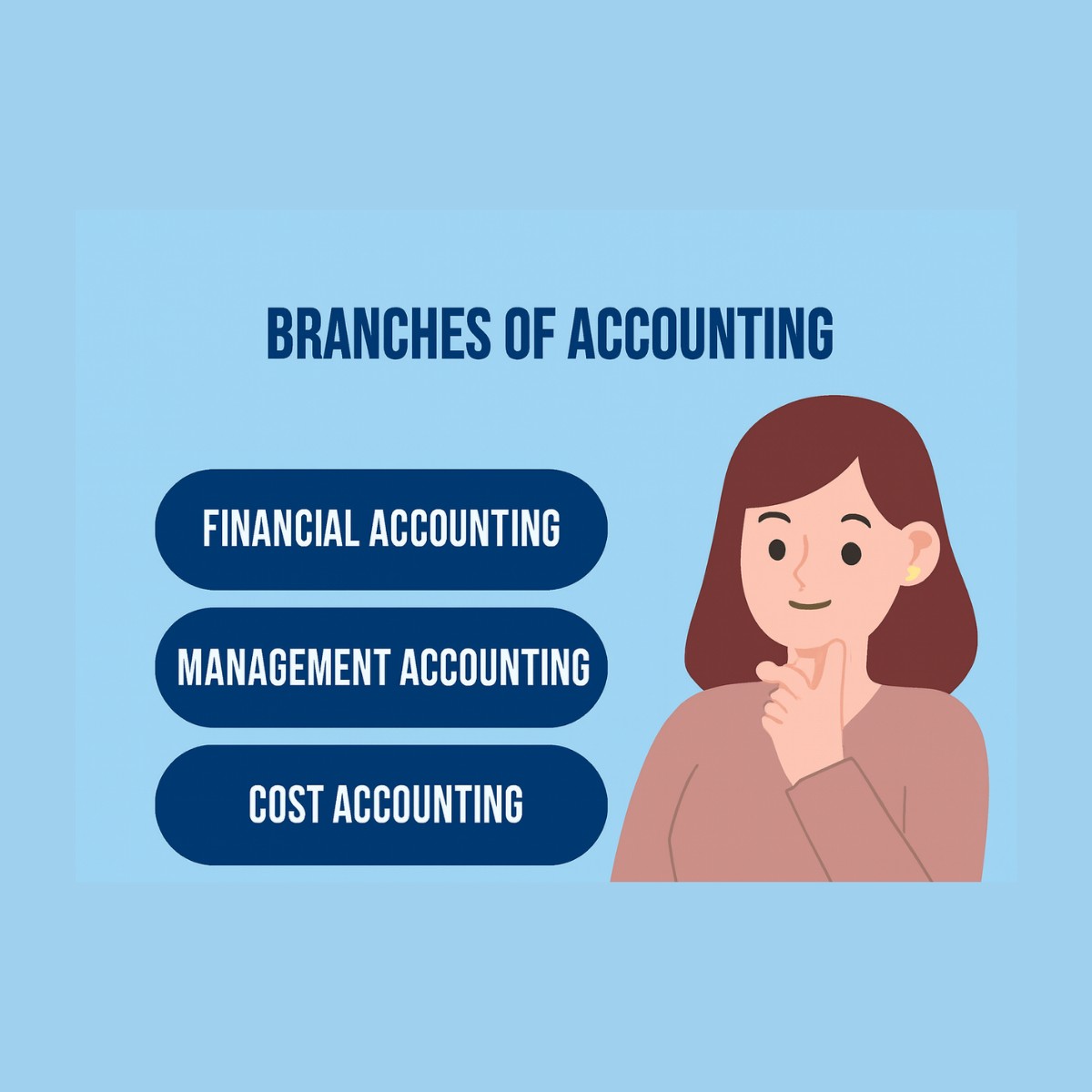
Branches of Accounting
Branches of Accounting Introduction Meaning of Accounting Branch Different Branches of Accounting » Financial Accounting » Managerial (Management) Accounting »…

Accrual vs. Cash Basis Accounting
Why Your Business Growth Depends on the Right Choice When it comes to managing business finances, one of the earliest…
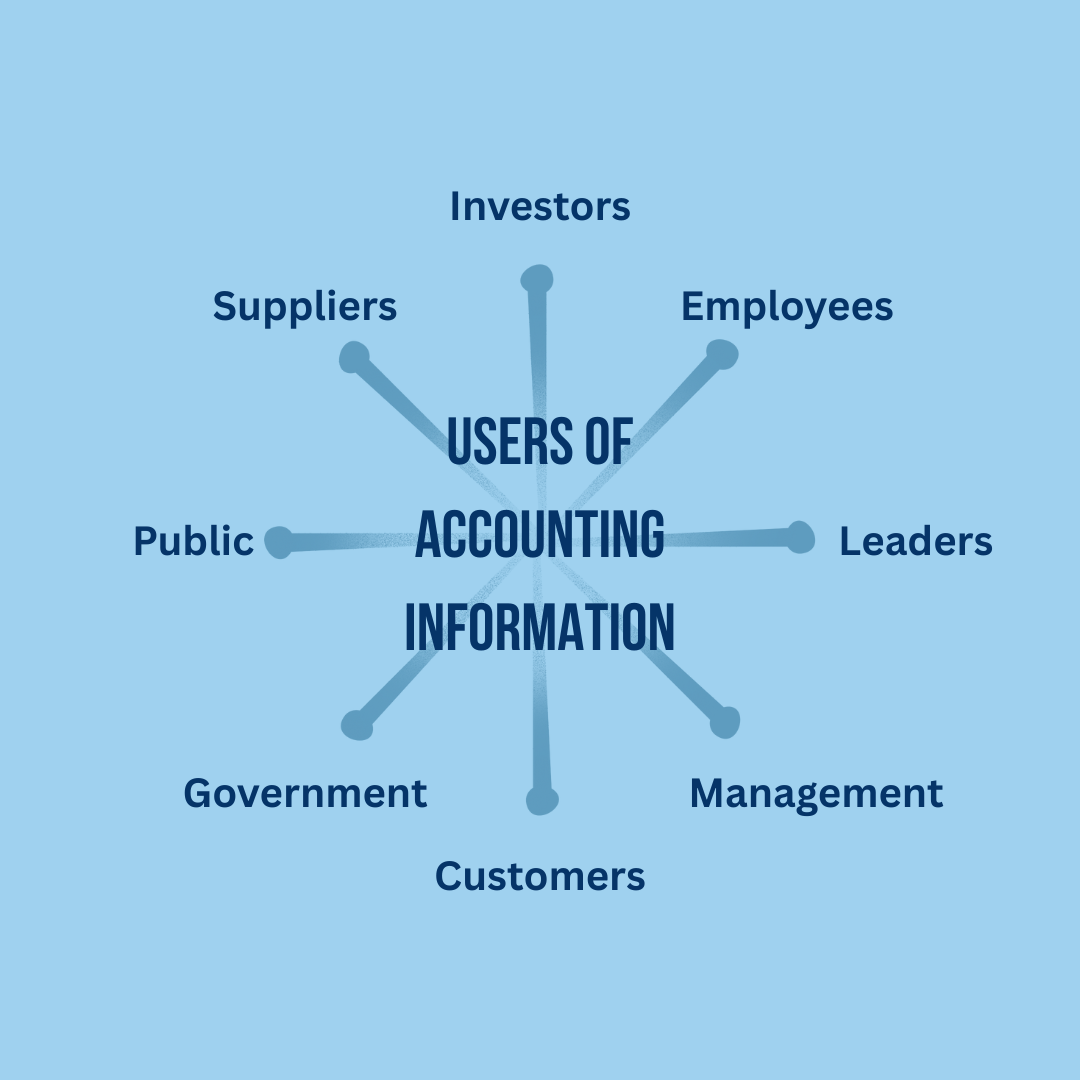
Users of Accounting Information
Accounting information is the backbone of every business decision. It provides valuable insights into a company’s financial performance, helping various stakeholders…
Difference between Bookkeeping and Accounting
In the world of finance and business, the terms bookkeeping and accounting are often mentioned together, but they are not the same. Both play…

Types of Accounts and Golden Rules of Accounting
Accounting is often referred to as the language of business, as it systematically records and communicates financial information. At the heart…
Why SMEs Are Turning to Outsourced CFO Services
In today’s fast-paced and unpredictable business environment, small and medium-sized enterprises (SMEs) are under increasing pressure to manage growth, cash…
Why Budgeting Is Essential?
In business, what gets measured gets managed, and budgeting is one of the most powerful tools you have to measure and…
We already have an accountant… why would we outsource?
I hear this from almost every founder we speak with.And it’s a completely valid question. An internal accountant is crucial…
Top 10 Key Advantages of Doing Daily Bookkeeping
In today’s fast-paced business world, financial clarity isn’t optional; it’s essential. Yet, many businesses underestimate the long-term impact of maintaining their books…
Why Outsource Your Accounting & Financial Services?
In today’s fast-paced business environment, companies are constantly seeking ways to increase efficiency, reduce costs, and focus on their core…

The 5 Most Common Financial Mistakes SME Owners Make and How to Avoid Them
Running a small or medium-sized business is no easy task. Between managing operations, serving clients, and leading teams, financial oversight…
How to Manage Accounts Payable Effectively
Accounts Payable (AP) might not grab headlines, but how you manage it can make or break your business cash flow.Poor…
Work Hard? Nah. Work Smart with QuickBooks Online.
Running a small business is no small task. Between managing operations, serving customers, and planning for growth, accounting often gets pushed…
Outsource Your Receivables
Ensure Smooth Payments, Reduce Defaults. Cash flow is the lifeblood of any business, and your receivables process is its heartbeat.…

Master Your Money: Proven Strategies to Control and Manage Business Expenses
Your business isn’t defined by what you earn, but by what you keep.And if you want lasting profitability, there’s one…
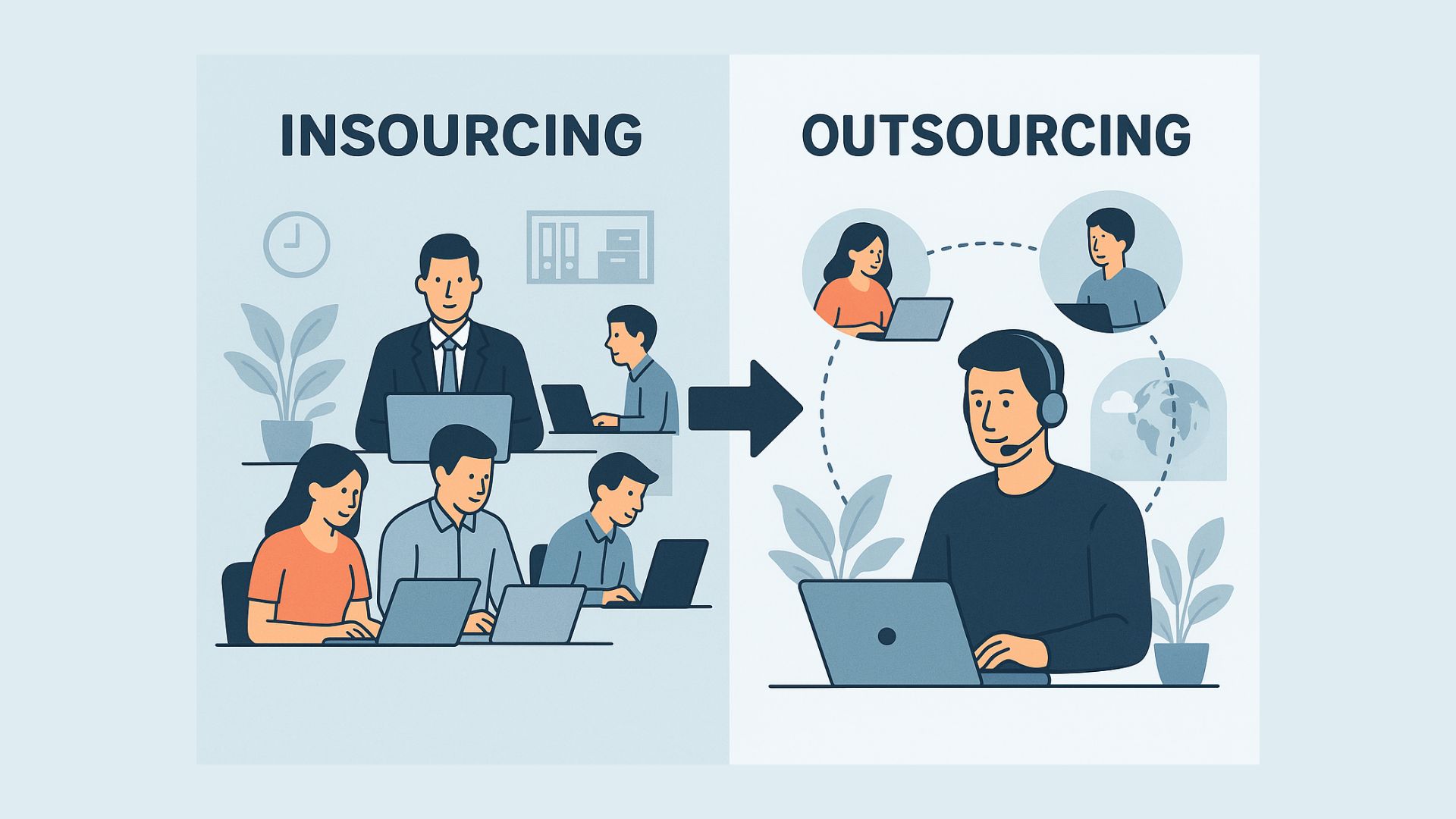
What Really Changes When You Outsource Your Accounting
Every business reaches a point where internal accounting processes slow down decision-making, drain valuable resources, and limit strategic focus.And then,…

Why Smart Businesses Outsource Bookkeeping to India?
Breaking Borders, Building Efficiency: Why Smart Businesses Outsource Bookkeeping to India In today’s global economy, success belongs to those who think…

Why Your Business Needs CFO Services Today
In the dynamic world of business, financial expertise can be the difference between success and stagnation. CFO services offer a…
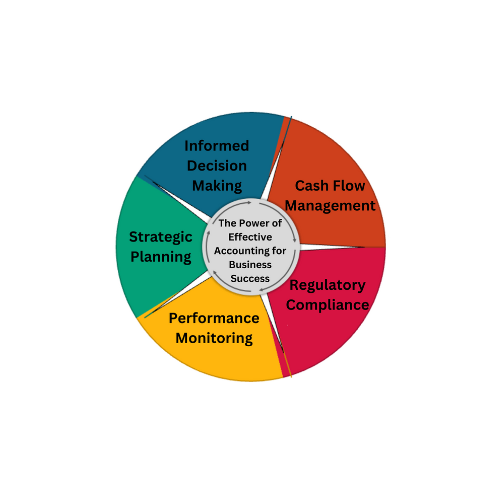
The Power of Effective Accounting for Business Success
In the fast-paced world of business, effective accounting is not just a necessity; it’s a game-changer. Accurate and strategic accounting…

How to Export Lists From QuickBooks Online
In this tutorial, you’ll learn how to export lists from QuickBooks Online. Quick Instructions: Export Customer, Employee & Vendor lists:…

3 Strategies to Boost EBITDA and Drive Value Creation
Private equity (PE) fund sponsors often expect CFOs to play a pivotal role in enhancing EBITDA (earnings before interest, taxes,…

Title: Navigating 2024: A CFO Action Plan for Success
As we step into 2024, CFOs find themselves at the forefront of steering their companies through a landscape marked by…